
 Language


More Languages
Language
A zipper makes a pouch reclosable — that is the whole point of the format, and it is also the part most often specified loosely. We supply press-to-close and slider zippers on stand-up, flat bottom and side gusset pouches, and we will tell you what the zipper does and does not do for your product.
It is a brand name, and that matters when you request a quote
Ziploc is a registered brand. In manufacturing the format is normally called a zipper pouch or a resealable pouch, and the closure itself is described as press-to-close or slider. This is not pedantry — if a quotation says ziplock without specifying the closure type, the two parties may be pricing different components. Ask for the zipper type, the number of tracks and the zipper position in writing, and the ambiguity disappears.
The most common and most economical closure. The consumer pinches the tracks together along the full length of the opening.
A rigid clip is drawn across to close the tracks. Easier to use and perceived as more premium, at additional material and process cost.
Double track improves the feel of the closure and is often chosen for premium positioning. It is not the same thing as being airtight.
The zipper sits below the top seal, so its position reduces the usable filling height. It has to be fixed before the die line is drawn.
A zipper does not create a vacuum or a modified atmosphere. Where air ingress matters, the seal and the structure do that work.
The zipper is part of the food-contact surface. Ask for the documentation that applies to your market and product type.
Multi-serving products that deteriorate once opened
The strongest resealable category — large bags consumed over several sittings.
Frequently combined with a one-way degassing valve, which handles the gas side while the zipper handles reopening.
Where bags are opened repeatedly over weeks, resealability is a direct convenience benefit.
Frozen portions taken out in batches, where reclosing reduces freezer burn between uses.
Products where moisture uptake after opening is the main quality risk.
Hardware, craft, agricultural and industrial small parts, where the food-contact requirement does not apply.
Zipper pouches across stand-up and flat formats
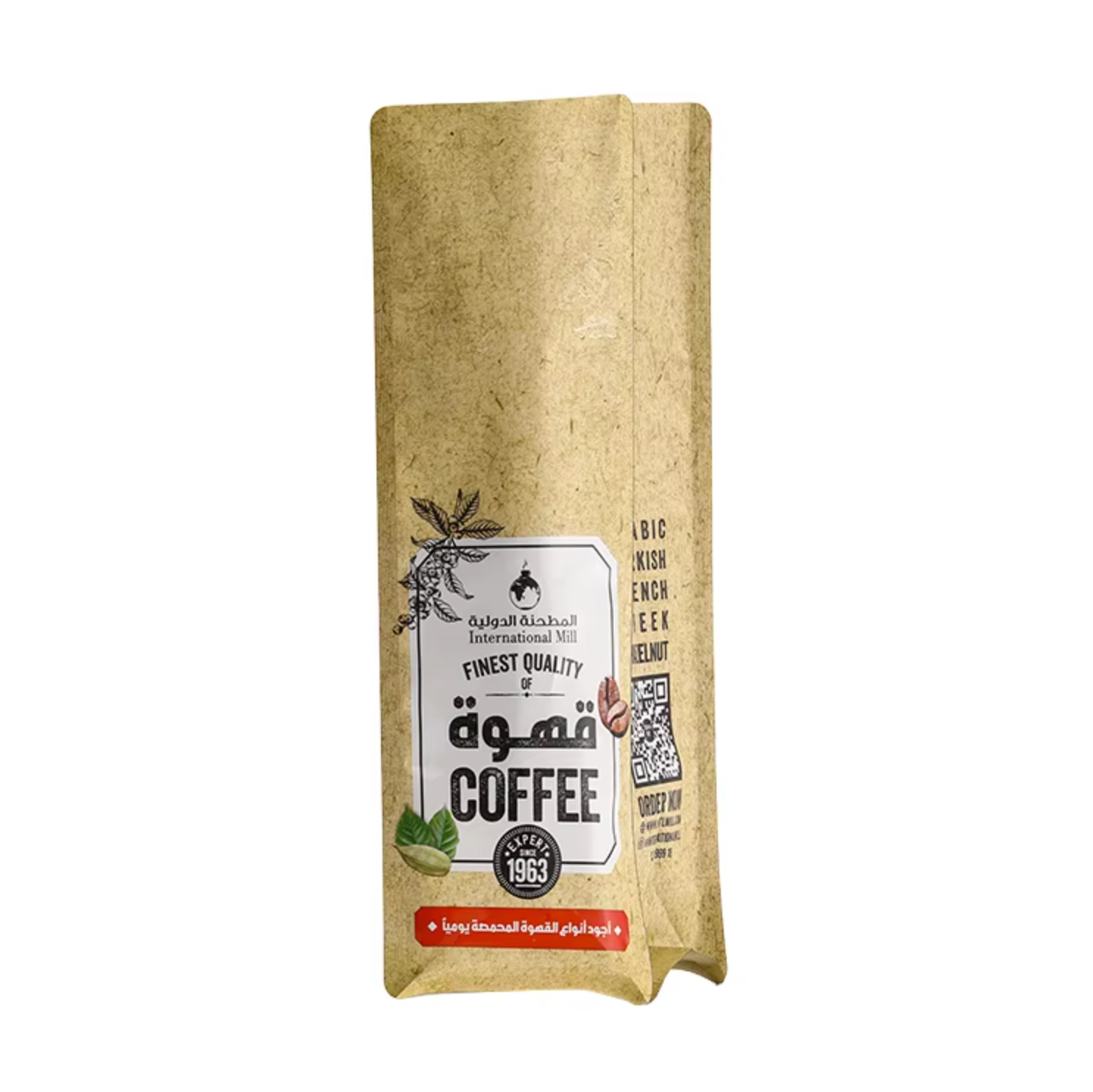
Food-grade PET/PE stand-up zipper pouch for dry food and retail products. MOQ 5,000 pcs, free samples, BRC & FDA certifi...
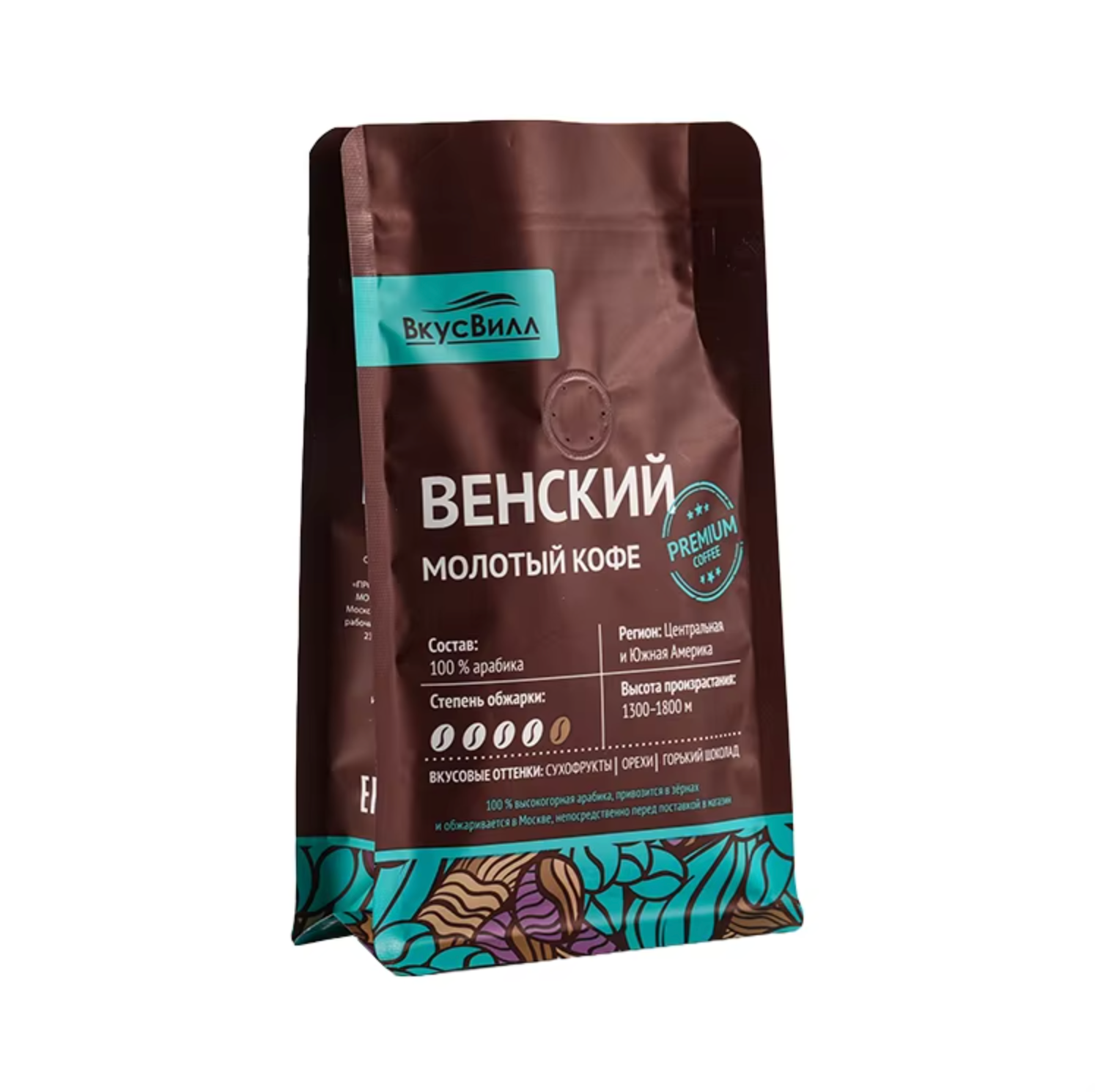
Food-grade PET/PE stand-up pouch with a resealable zipper for coffee beans and grounds. MOQ 5,000 pcs, free samples, BRC...
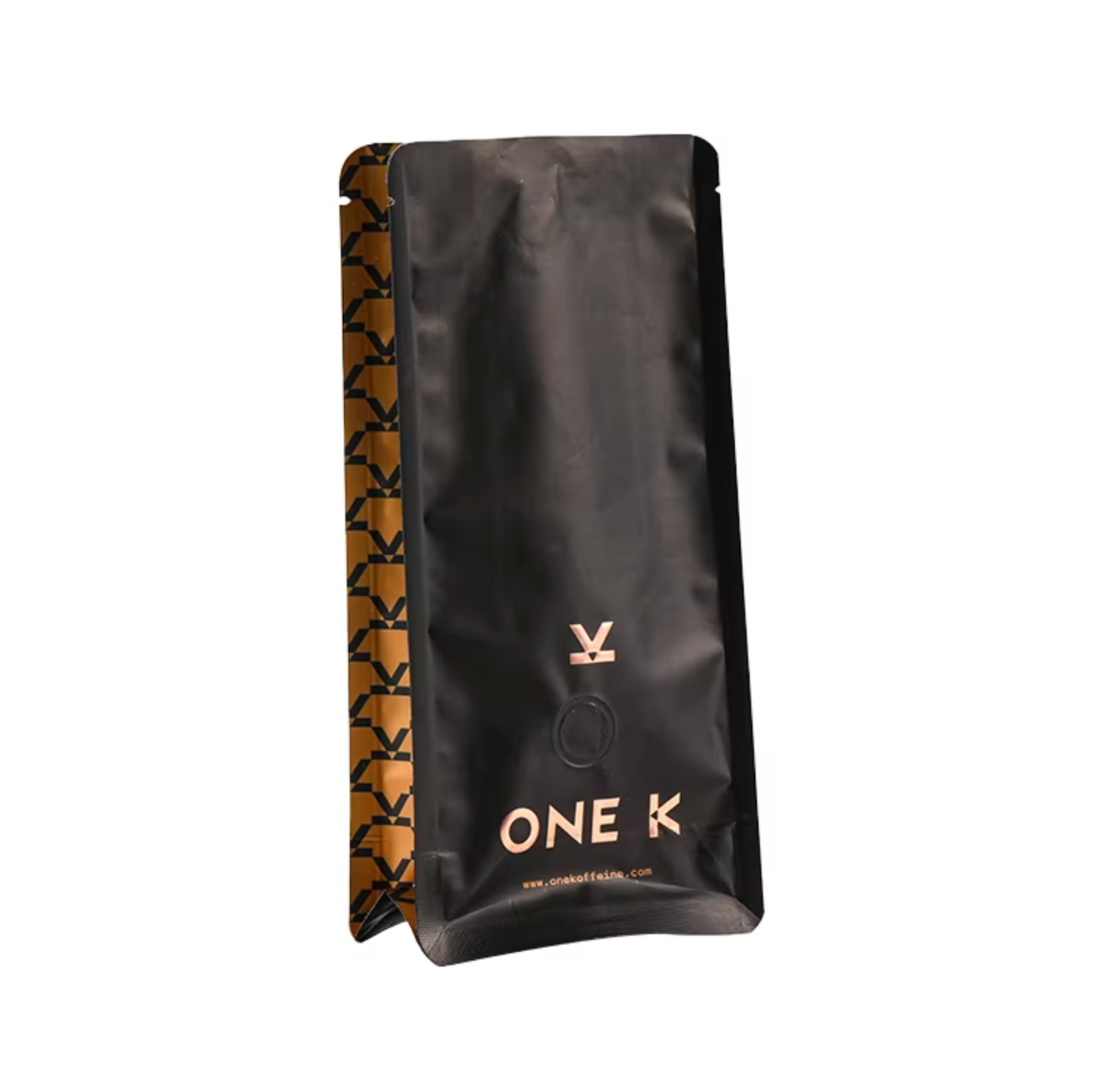
Matte BOPP film stand-up pouch for coffee and roasted beans. MOQ 5,000 pcs, free samples, BRC & FDA certified OEM.
Frequently specified alongside a zipper
Fitted on coffee packs to release carbon dioxide while limiting oxygen ingress — usually paired with a zipper.
For larger fill weights where a base panel is needed to keep the pack standing on shelf.
Where a compact, low-material format suits single-serve or sample portions.
One specification detail worth deciding early: where the zipper sits relative to your fill line. If the zipper is placed too low, the fill height shrinks and the pack holds less than the size suggests; if it is placed too high, the top seal area may be too narrow for a clean seal. Both are decided at die-line stage, before printing — which is why artwork approval should come after the pouch drawing, not before it.
Zipper types, limitations and applications
Tell us the fill weight, product and machine — we will propose the zipper type, position and structure