 Language


More Languages
Language
A retort pouch is a flexible pouch engineered to be filled, sealed and then sterilized — so it has to survive the process, not just the shelf. We specify the film structure against your retort profile, your product and your target shelf life.
The difference is not the shape — it is what the finished package has to survive
Most flexible pouches are judged on how well they protect a product on a shelf. A retort pouch is judged on something harder: it is filled, sealed, and then put through a heat sterilization process that stresses the seal and the film at the same time. That is why retort packaging is specified as a system — film structure, sealant layer, seal geometry and process window are chosen together. A structure that performs well in ambient storage may still fail in a retort, and the reverse is also true.
The film stack is selected against your sterilization parameters rather than from a fixed catalogue, because heat load is what limits the material choice.
Seals are the first thing a retort process tests. Seal width, sealant layer and sealing conditions are specified as one decision, not three.
If the product is to be stored without refrigeration, the structure must carry the oxygen and moisture barrier that previously came from a can or jar.
A pouch takes far less space and mass than an equivalent can or glass jar, before and after filling — which matters for both freight and shelf footprint.
The whole pouch is a printable surface, so branding, nutritional data and regulatory text do not compete for a small label area.
Food-contact materials with documentation available for your market. Ask for the declarations that apply to your destination country.
Categories where post-fill sterilization is the norm
Complete meals and meal components packed for ambient storage, including formats intended to be reheated in the pouch.
Liquid and semi-liquid products where a pouch can replace a jar or can and reduce pack weight on the same shelf.
Single-serve and multi-serve formats, frequently with a spout or tear notch depending on how the consumer uses it.
Pre-cooked staples sold shelf-stable, where the pouch doubles as the reheating container.
Beans, chickpeas and similar products that are traditionally canned and can move to a lighter format.
Wet pet food, meal toppers and pouched pet food portions, where portion control and easy opening drive the format.
Structures used for retort and high-heat applications — see the roll film line
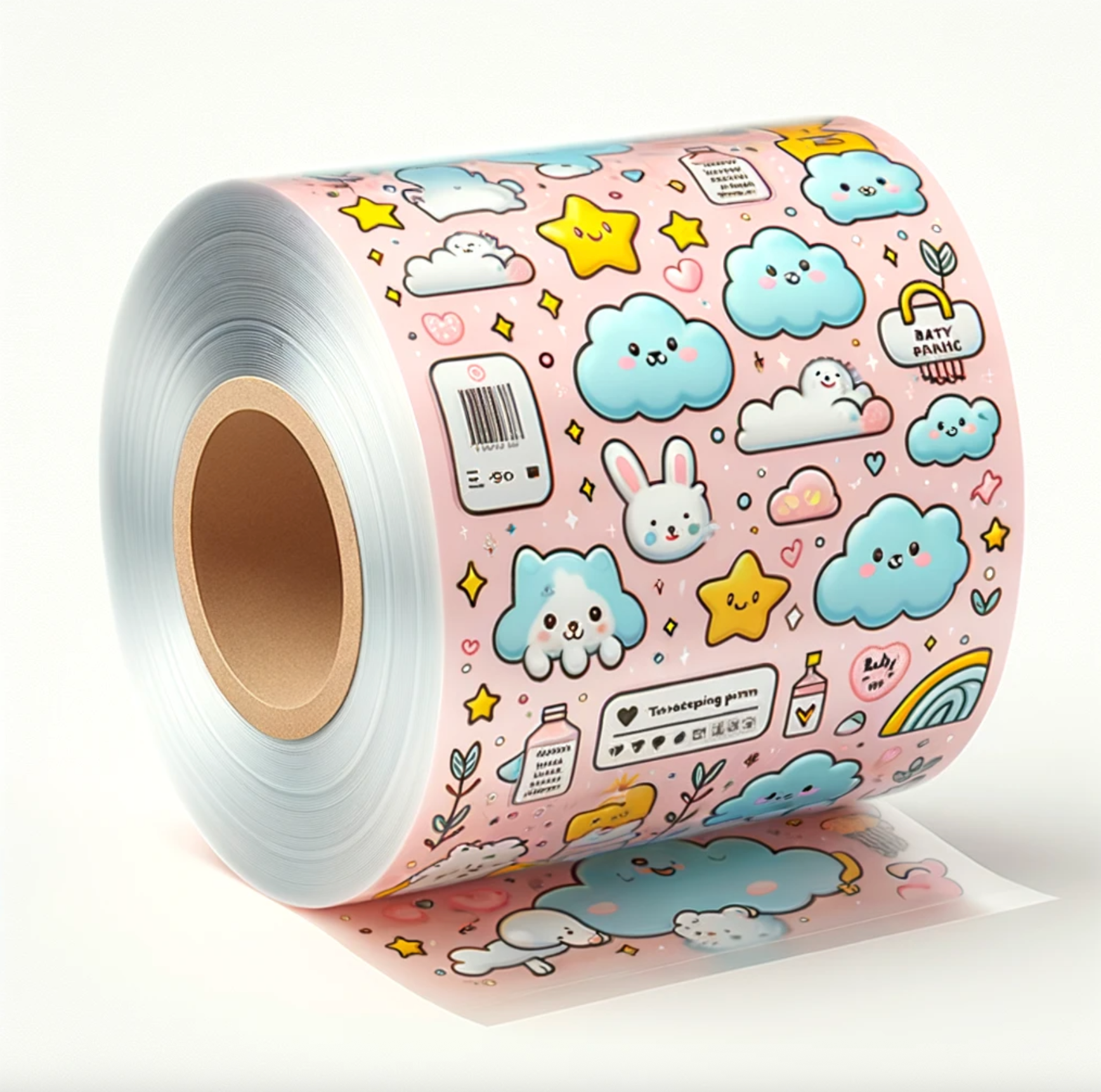
Food-grade PET/PE roll film with a one-way degassing valve for coffee and roasted beans. MOQ 5,000 pcs, free samples, BR...
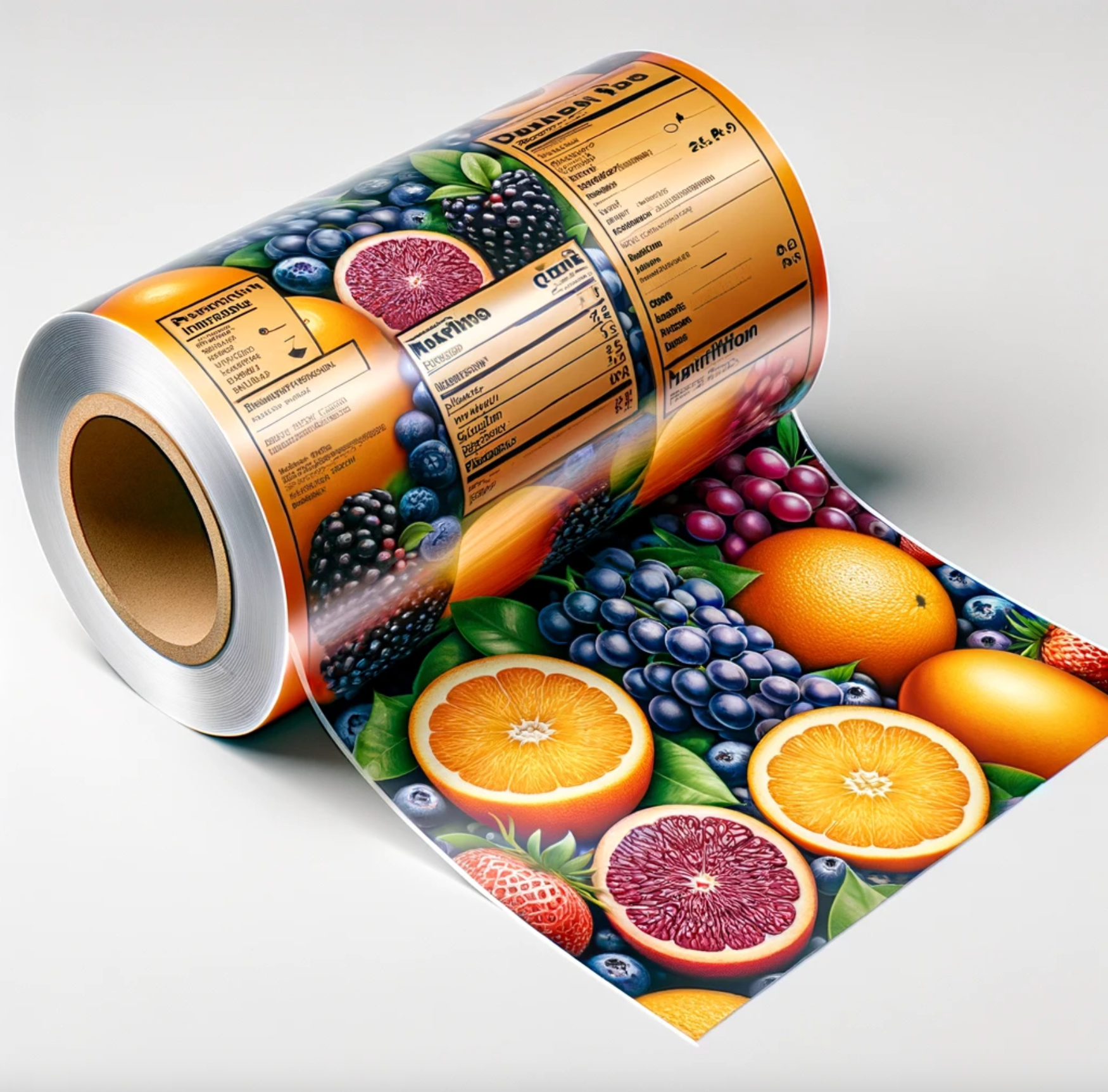
Compostable PLA film roll stock for flexible food packaging. MOQ 5,000 pcs, free samples, BRC & FDA certified OEM.
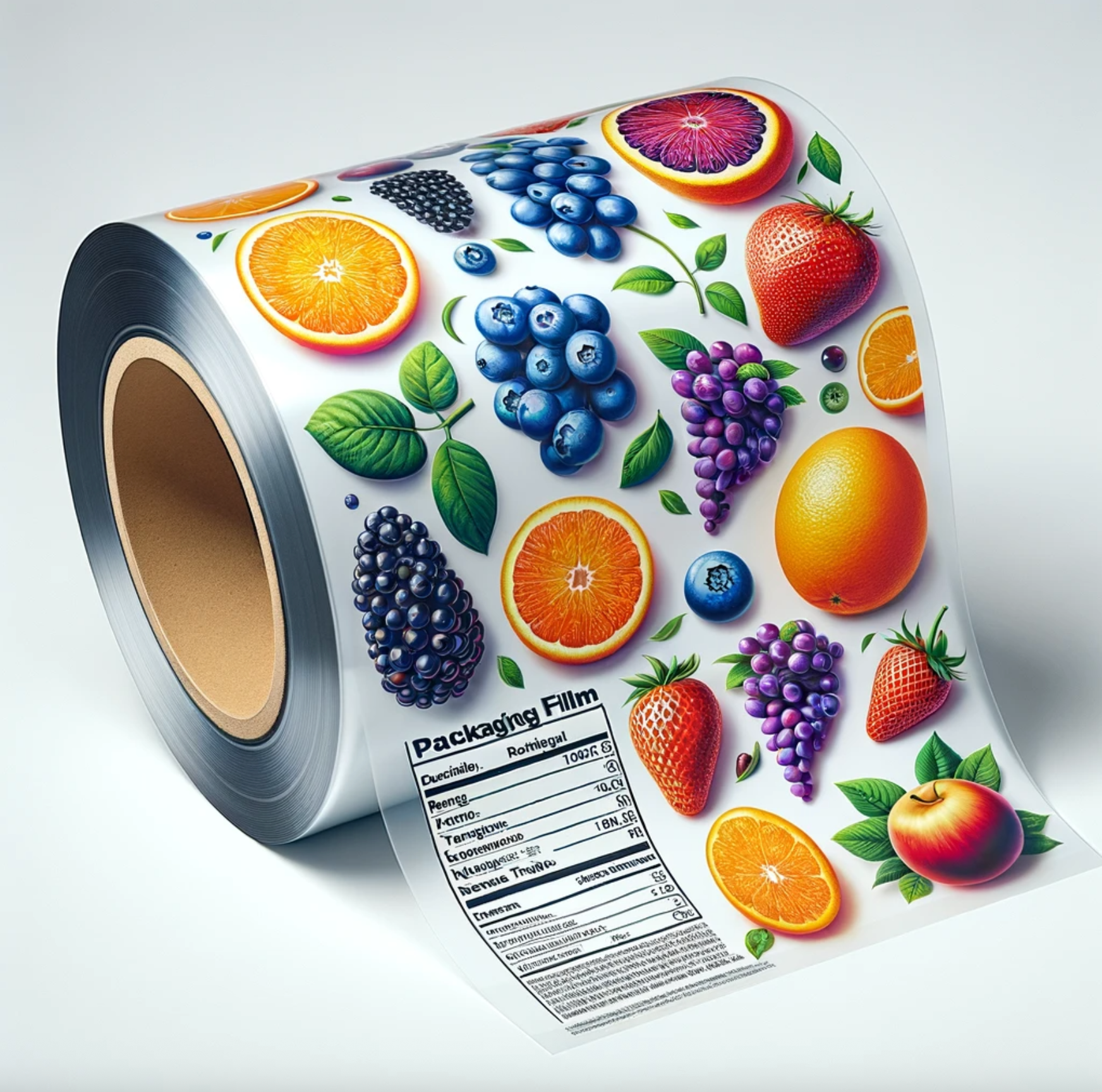
Food-grade PET/PE roll film with retort-grade sterilization resistance for ready meals. MOQ 5,000 pcs, free samples, BRC...
Retort technology can be applied to more than one pouch shape
The most common flat retort format — compact, low material use, well suited to single-serve portions.
A structured base that stands on shelf without external support, used for larger fill weights.
For liquid products where pouring or squeezing is part of how the consumer uses the pack.
Not every format suits every retort process. Foil-containing structures are chosen when the product is oxygen-sensitive, and mono-material or foil-free structures are chosen when recyclability matters more than maximum barrier — but the retort step constrains which polymer combinations can be used. Tell us the process and the product, and we will tell you what the structure can and cannot do.
Common questions from food manufacturers sourcing retort pouches
Tell us your product, fill weight and sterilization process — we will come back with a proposed structure and a sample