 Language


More Languages
Language
A shaped pouch is a standard pouch with a custom silhouette cut into it — so the shape is a decision layered onto an existing construction, not a new one. That is useful: it means the fill, seal and machine behaviour you already know still apply, and we can tell you quickly which profiles work and which do not.
The shape is the last decision, not the first
Most briefs arrive the wrong way round: a brand sends a silhouette and asks for it to be produced. The workable order is the opposite. First choose the base format — stand-up, flat bottom or three side seal — because that determines the fill behaviour, the machine compatibility and where the seals sit. Then design the silhouette around those constraints. A shape that ignores the seal layout will either leak, fail to run, or need the pouch resized until the original design no longer fits.
The silhouette is cut from a stand-up, flat bottom or three side seal pouch, so the construction beneath it is unchanged.
Anything outside the seal boundary cannot hold product. A shaped pouch normally holds less than its rectangular equivalent at the same size.
The profile has to clear the seal lines and the zipper. A silhouette that intersects a seal is a leaking pack, not a design detail.
A die is a one-off cost that has to be produced before the first run, which favours designs intended for repeat ordering.
Filling lines pick and hold pouches by their edges. A narrow or irregular neck can defeat the grippers on an existing line.
Sharp points concentrate stress and tear in the consumer's hand. Rounded transitions are usually worth the small loss of definition.
Categories where the silhouette itself sells
The most established shaped category — silhouettes that echo the animal or the treat read instantly on shelf.
Seasonal and gifting formats, where a distinctive outline is part of the purchase reason.
Categories where recognition at a glance matters more than maximum shelf efficiency.
Limited editions and gift sets where the pack is kept rather than discarded.
Small promotional formats where a shaped silhouette makes a sample memorable.
Where the pack has to work as a brand object, subject to the fill and machine constraints above.
Shaped pouches are produced on these constructions — the base format decides the behaviour
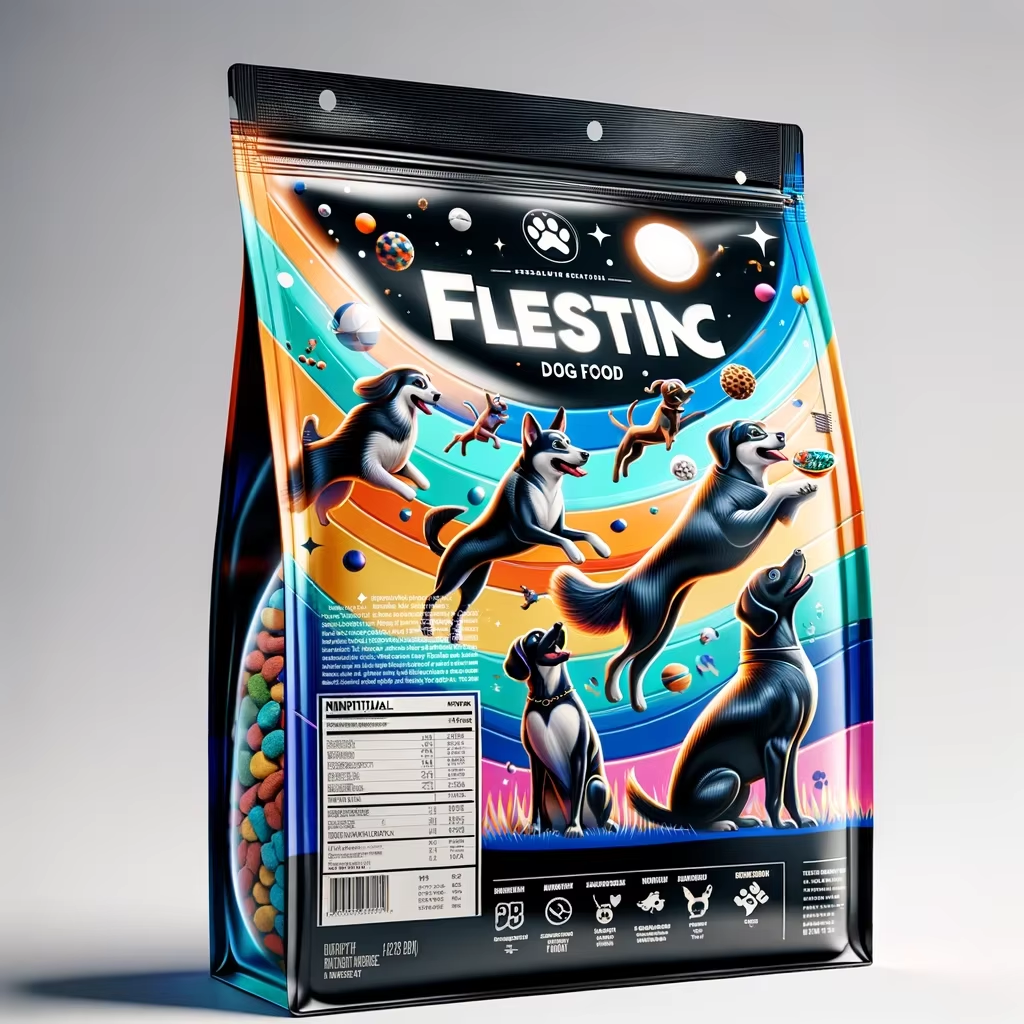
Food-grade PET/PE stand-up pouch for aquatic and fish food. MOQ 5,000 pcs, free samples, BRC & FDA certified.
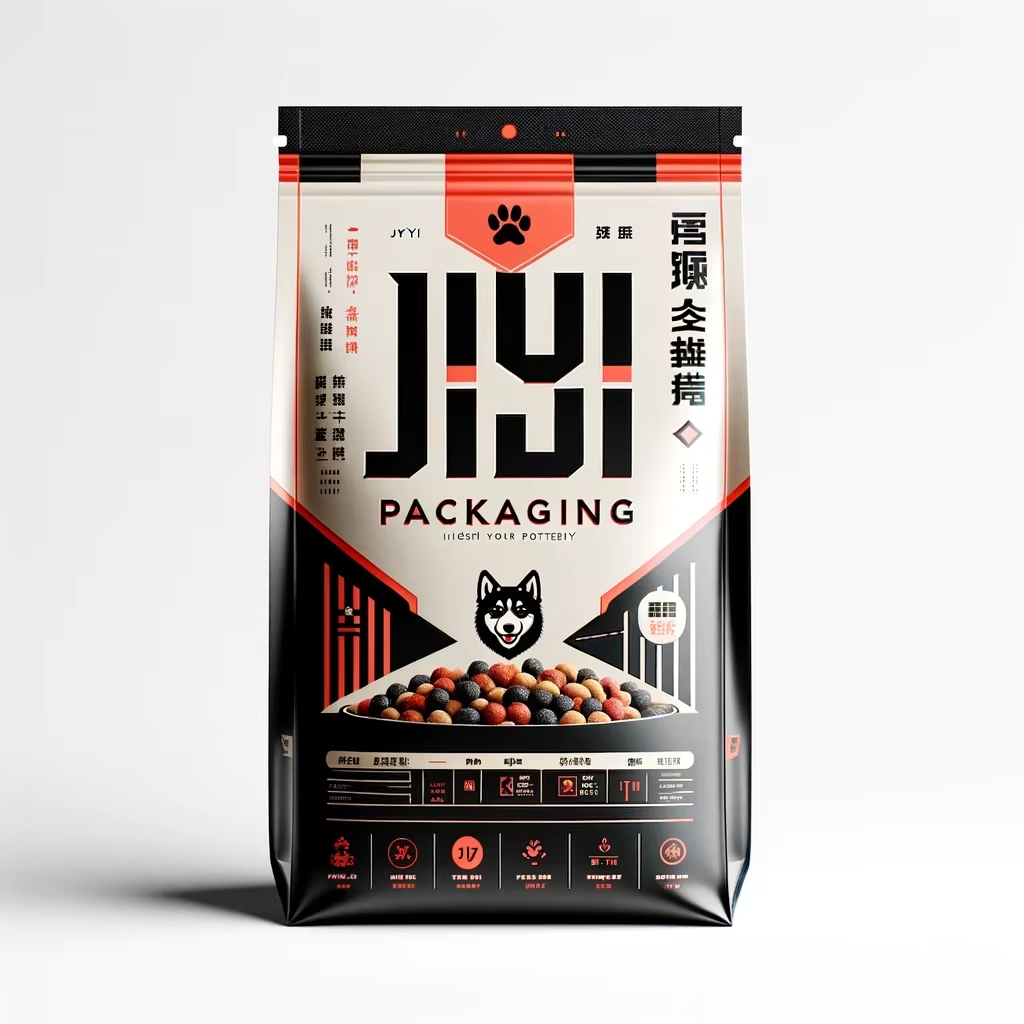
Food-grade PET/PE flexible pouch with a heavy-duty laminate for pet food and care. MOQ 5,000 pcs, free samples, BRC & FD...
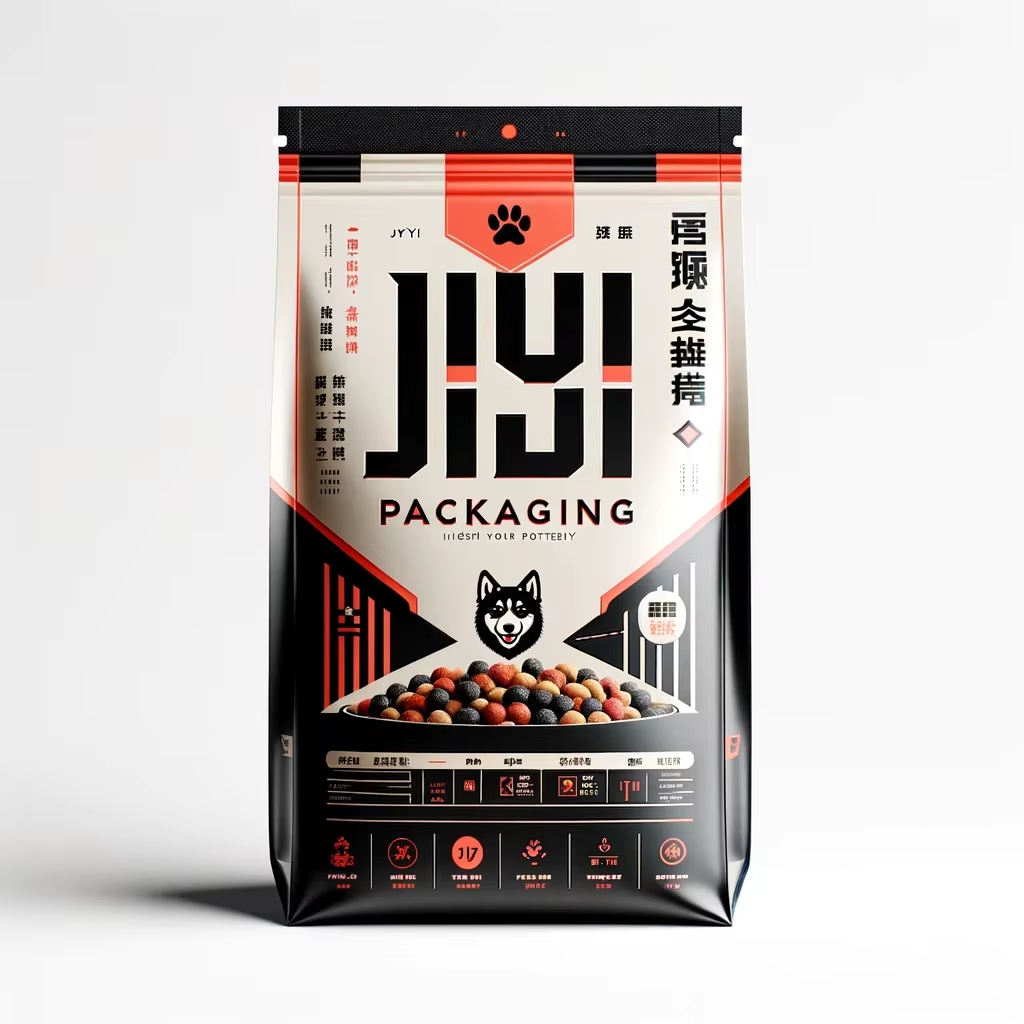
Custom food-grade PET/PE stand-up pouch for dog and cat food. MOQ 5,000 pcs, free samples, BRC & FDA certified OEM.
The products shown are the base formats, not shaped stock items. Shaped pouches are produced to order against a die, so there is no catalogue of ready shapes — the shape is part of your project rather than a product on a shelf.
Four things decide whether a silhouette is producible
A vector file of the silhouette, ideally at final size, so the profile can be checked against the seal layout.
The target fill weight — because the shape reduces usable volume, the pouch may need to be sized up to hold it.
Whether you want a stand-up, flat bottom or three side seal construction underneath the shape.
Machine make and model, or manual filling — this determines how irregular the silhouette can be at the grip points.
We would rather tell you a silhouette is not workable at the enquiry stage than after a die has been cut. In practice most shapes can be adapted — the useful conversation is usually about how much of the definition survives after the seal lines are respected.
Volume, tooling and format constraints
Send the outline, the fill weight and your base format — we will confirm what is producible before any tooling is cut